


FHA's Focus: Specific Safety, Security, and Soundness Issues
When you apply for a Federal Housing Administration (FHA) loan, the property must meet a set of guidelines known as the Minimum Property Standards (MPS). Unlike a conventional loan appraisal, which primarily confirms the home's market value, an FHA appraisal adds a layer of scrutiny. The appraiser is tasked with ensuring the home is safe for its occupants, sound from a structural standpoint, and secure against potential hazards.
For buyers looking at charming, older homes in Tampa or Orlando, this means paying close attention to details that might otherwise seem minor. The FHA appraiser will specifically look for:
- Structural Integrity: Any signs of foundation damage, significant settlement cracks, or water damage in basements or crawl spaces.
- Safety Hazards: Missing handrails on stairways, defective or exposed electrical wiring, and non-functional utilities (water, electricity, heat).
- Livability: The property must have adequate and safe heating, a continuous supply of hot water, and a properly functioning sewage system.
- Site Hazards: The property cannot be subject to immediate hazards like potential flooding, mudslides, or proximity to hazardous waste sites without proper mitigation.
FHA Appraisal in Tampa vs. a Conventional One
The fundamental difference between FHA and conventional appraisals lies in their purpose. A conventional appraisal protects the lender's investment by verifying the home's value. An FHA appraisal does that and protects the homebuyer and the FHA by ensuring the home is habitable from day one.
Let's consider a scenario in a historic Tampa neighborhood:
- Conventional Appraisal: An appraiser inspects a 1940s home with a 25-year-old roof. The roof isn't leaking but is clearly at the end of its life. The appraiser will note the roof's condition and might adjust the home's market value down by $10,000 to account for the future replacement cost. The loan can still proceed.
- FHA Appraisal: The same appraiser inspects the same home. They determine the roof has less than two years of remaining life. This violates FHA's MPS. The appraisal will be marked 'subject to repair', meaning the roof must be replaced before the loan can close. The value is secondary to the functional defect.

This distinction is critical. With an FHA loan, you cannot simply accept a lower value for a home with defects; the specific defects must be corrected.
Will Peeling Paint Deny My Orlando Home Loan?
Yes, peeling paint can absolutely cause an FHA loan to be denied, particularly in homes built before 1978. This is not an aesthetic issue; it is a significant health and safety concern due to the high probability of lead-based paint.
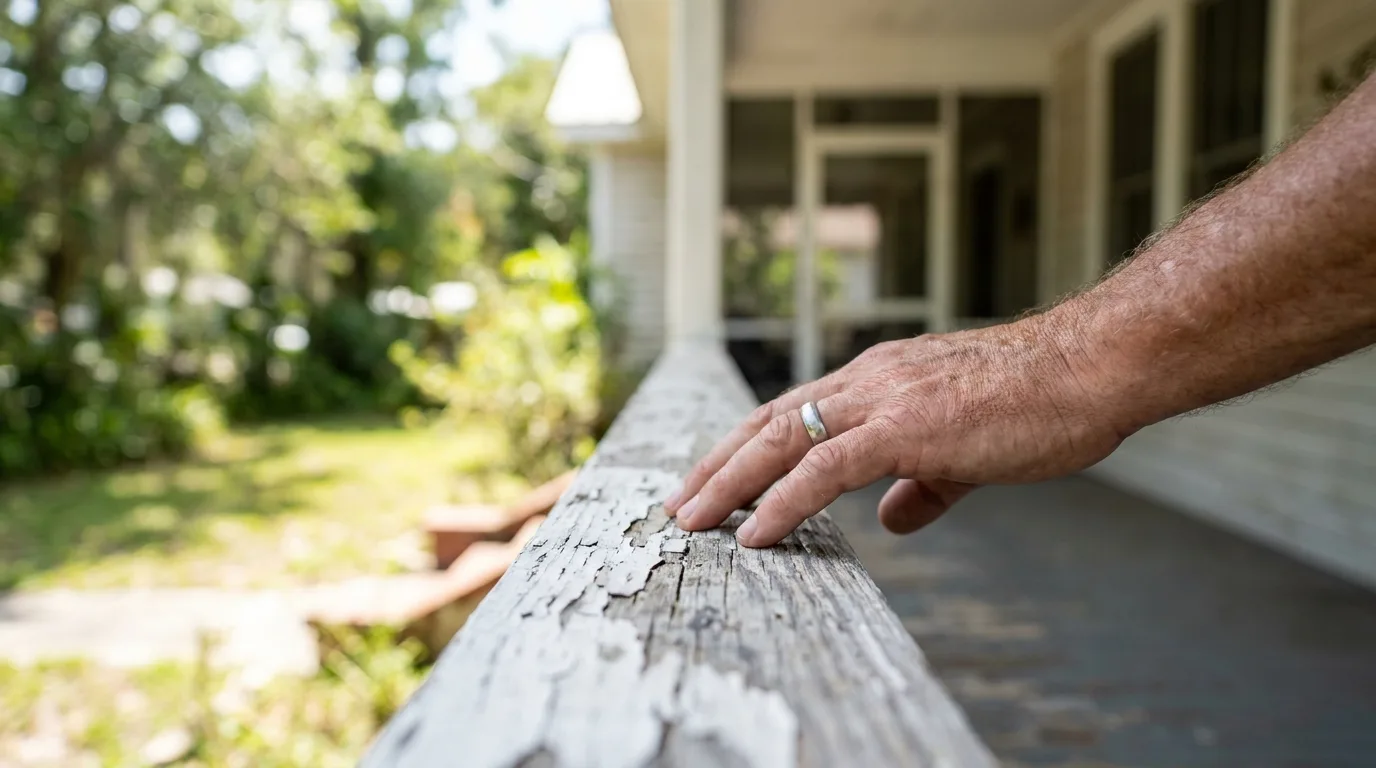
If an FHA appraiser sees any chipping, peeling, or cracking paint on any surface (interior, exterior, fences, or outbuildings) of a pre-1978 home, they are required to flag it. The loan will be conditional upon the following repair:
- All loose paint must be scraped off.
- The surface must be repainted with a non-leaded paint.
- The work must be done in a 'workmanlike manner', meaning no sloppy patch jobs.
This rule is non-negotiable. If you are making an offer on an older Orlando bungalow showing signs of paint deterioration, you should anticipate this becoming a required repair.
Are There Specific Requirements for Roofing and Electrical Systems?
Beyond general safety, the FHA has specific mandates for two of the most expensive components of a home: the roof and the electrical system.
- Roofing Requirements: The appraiser must certify that the roof has at least two years of remaining economic life. They must also ensure there are no more than three layers of existing roofing. If the roof is flat, they will check for signs of pooling water or 'ponding', which must be corrected. If the roof fails any of these checks, it will require repair or replacement.
- Electrical Systems: The system must be safe and adequate for modern living. FHA appraisers will flag outdated systems like knob-and-tube wiring, which is considered a fire hazard and typically must be replaced. They will also look for frayed wiring, an insufficient electrical load for the home (less than 100 amps is often a red flag), and any exposed or dangerous electrical components. (The data, information, or policy mentioned here may vary over time.)
What Happens if the Appraiser Requires Repairs?
If the appraisal report comes back with required repairs, the loan process pauses. The lender will issue a conditional approval, and the 'Notice of Valuation' (NOV) will list every item that must be fixed. No funds will be disbursed until these conditions are met.
The process typically follows these steps:
- Receive the List: You and the seller receive the official list of required repairs from the appraiser's report.
- Negotiate and Complete Repairs: The buyer and seller negotiate who will pay for and manage the repairs. Once agreed upon, licensed professionals should complete the work.
- Final Inspection: The original appraiser (or another FHA-approved appraiser) returns to the property to verify that all listed repairs have been completed satisfactorily.
- Clear to Close: Once the appraiser signs off, they update the report, and the lender can give the 'clear to close' for the loan.
Who Is Responsible for Paying for FHA Repairs?
This is a point of negotiation between the buyer and seller. There is no set rule. In a seller's market, like many parts of Tampa and Orlando, sellers may be unwilling to pay for repairs, especially if they have conventional offers on the table. In a buyer's market, sellers are often more willing to cover the costs to ensure the sale goes through.
Possible scenarios include:
- The Seller Pays: The seller agrees to pay for all required repairs before closing.
- The Buyer Pays: The buyer agrees to pay, but this is risky. You would be spending money on a home you don't yet own.
- The Cost is Split: Both parties agree to share the costs.
- The Deal is Canceled: If no agreement can be reached, the purchase contract may be terminated.
Can I Switch to a Conventional Loan if the Appraisal Fails?
Yes, if you have the credit score and down payment to qualify, switching to a conventional loan is an option. A conventional lender is not bound by FHA's MPS. They are primarily concerned that the property's value supports the loan amount. You might still use the inspection report to negotiate a lower price or seller credits to cover the cost of future repairs, but the repairs themselves won't be mandatory for closing.
However, there is a key detail to understand. The FHA appraisal is typically valid for 120 days, and its assigned case number remains tied to that specific property address for six months. If your deal falls through, the next buyer who wants to use an FHA loan will have to contend with the same appraisal and its required repairs.
Is It Wise to Get a Pre-Inspection on a Home I Want to Buy in Tampa?
Absolutely. Getting a full home inspection before you make an offer or at least before the appraisal is ordered is one of the smartest investments a homebuyer can make, especially when considering an FHA loan for an older property. A licensed home inspector can identify nearly all the potential red flags that an FHA appraiser would, from a worn roof to peeling paint and faulty electrical outlets.
This knowledge gives you power. You can:
- Negotiate Upfront: Ask the seller to make repairs as part of your initial offer.
- Walk Away: If the repair list is too long or expensive, you can walk away before spending hundreds of dollars on an appraisal you know will fail.
- Budget Accordingly: You will have a clear idea of the immediate costs you might face after purchasing the home. If you're considering an FHA loan for a home in Florida, understanding the appraisal process is the first step. For expert guidance on navigating property requirements and securing the right mortgage for your situation, reach out for a personalized consultation.
Ready to navigate the FHA property requirements for your new home in Tampa or Orlando? Start your application today to get expert guidance and see what you qualify for.
Author Bio
David Ghazaryan is the expert mortgage strategist and founder behind iQRATE Mortgages. With a mission to fund home loans that traditional banks won't touch, David specializes in helping clients with unique financial situations, including those recovering from foreclosure or bankruptcy. He expertly crafts smart, strategic, and stress-free mortgages by leveraging a vast network of over 100 lenders to secure competitive rates for investors and homebuyers alike. Praised for exceptional customer service, David has helped hundreds of families with a 97% satisfaction rate, guiding them to the mortgage they deserve.
References
HUD Handbook 4000.1: FHA Single Family Housing Policy Handbook









