
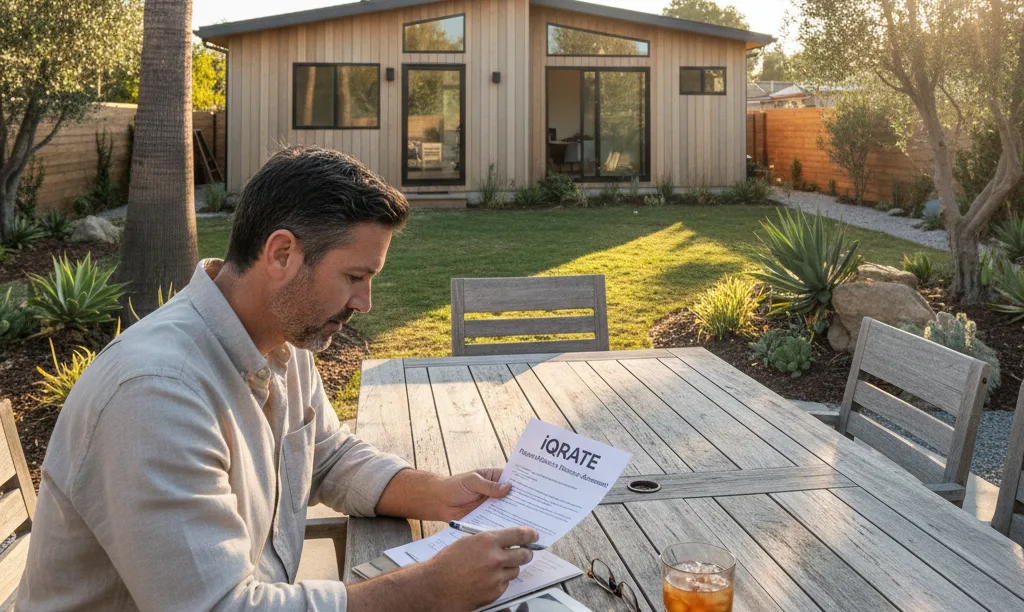

Using Unpermitted ADU Rent for a Los Angeles DSCR Loan
Real estate investors in Los Angeles often encounter properties with lucrative but unpermitted accessory dwelling units (ADUs). The question is whether a lender will recognize this rental income when underwriting a Debt Service Coverage Ratio (DSCR) loan. The answer is: sometimes. A DSCR loan qualifies a borrower based on the property's rental income rather than personal income. The core metric is the ratio itself, which must typically be 1.25x or higher, meaning the property's income is at least 25% greater than its debt obligations. (The data, information, or policy mentioned here may vary over time.)
Lenders view unpermitted units as a significant risk. The city could levy fines or even demand the unit be demolished, which would instantly eliminate the income stream used to qualify for the loan. However, experienced non-QM lenders who specialize in the Southern California market understand this is common. They may be willing to consider the income if you can mitigate their risk through comprehensive documentation and a strong borrower profile.
The lender’s decision often hinges on a few key factors:
- Quality of the Unit: Is the unpermitted ADU a professionally built structure or a poorly converted garage? A high-quality unit that appears safe and habitable is more likely to be viewed favorably.
- Appraisal Report: The appraiser’s comments and valuation of the unpermitted space are critical. More on this below.
- Market Rents: The lender will compare your stated rent to market rates for similar legal units in the area, such as in Pasadena or Long Beach.
- Loan-to-Value (LTV): A lower LTV, meaning a larger down payment from you, reduces the lender's risk and can make them more flexible on income sources.
Documentation to Prove Unpermitted Rental Income
Since you cannot provide a certificate of occupancy, you must build a strong case with alternative documents. Your goal is to prove a consistent history of rental income from the unpermitted unit. Be prepared to provide:
- Executed Lease Agreements: A current, signed lease with the tenant of the unpermitted unit is the foundational document. It should clearly state the rental amount, lease term, and tenant information.
- Proof of Rent Payments: Lenders will want to see evidence that the rent is actually being paid. This can be demonstrated through:
- Bank Statements: At least 12 months of your business or personal bank statements showing consistent deposits that match the lease amount.
- Canceled Checks or Digital Payment Records: Copies of rent checks or records from platforms like Zelle or Venmo.
- Rent Roll: A detailed rent roll for the entire property, listing all units (both permitted and unpermitted), tenant names, lease terms, and monthly rents. This provides a clear financial snapshot of the asset.
- Letter of Explanation (LOX): A brief letter explaining the situation with the unpermitted unit can be helpful. You can acknowledge its status and outline any plans you have to legalize it in the future.

Navigating City-Specific ADU Rules in Long Beach and Pasadena
Local regulations are paramount. The willingness of a lender to finance a property in Los Angeles with an unpermitted unit is directly tied to the city's enforcement stance. Both the City of Los Angeles and Long Beach have, at times, offered amnesty or streamlined programs for legalizing unpermitted dwelling units to address the housing crisis. (The data, information, or policy mentioned here may vary over time.) These programs can make a lender more comfortable, as they see a clear path to compliance for the property.
Before purchasing, your due diligence should include:
- Checking with the Local Building Department: Investigate the property's history. Are there any existing code violations or complaints filed against it?
- Understanding Legalization Paths: Research the specific requirements and costs to legalize the ADU in that municipality. For example, the process in Pasadena might have different zoning requirements or permit fees than in Los Angeles.
- Consulting a Specialist: Speak with an architect or permit expediter who is an expert in local ADU regulations. They can provide a realistic assessment of the feasibility and cost of bringing the unit into compliance.
A lender will see you as a more sophisticated and less risky borrower if you can present a clear plan and budget for legalizing the unit, even if you don't intend to do it immediately.
How Unpermitted ADUs Affect DSCR Loan Appraisals
The property appraisal is one of the biggest hurdles. An appraiser has a strict set of guidelines to follow. They cannot legally assign full market value to an illegal structure. How they handle the unpermitted ADU can vary:
- Valued as Storage Space: The appraiser might give the square footage value equivalent to a garage or storage space, which is significantly lower than habitable living area.
- 'Cost-to-Cure' Approach: The appraiser may determine the cost to either legalize the unit or demolish it and subtract that cost from the property's overall value.
- Subject-To Appraisal: In some cases, the appraisal might be made 'subject-to' the unit being legalized, which would require you to complete the work before the loan can close.
This has a direct impact on your LTV. For example, imagine you are buying a property in Los Angeles for $1,000,000, expecting it to appraise at that value. You plan to make a 25% down payment ($250,000) for a $750,000 loan. If the appraiser values the property at only $900,000 because the unpermitted ADU was not given full value, your 75% LTV loan would now be capped at $675,000. (The data, information, or policy mentioned here may vary over time.) You would need to come up with an additional $75,000 for the down payment.

Finding Lenders for Properties with Unpermitted ADUs
Not all lenders will consider these properties. Large conventional banks and those who sell their loans to Fannie Mae or Freddie Mac will almost certainly reject the application. You need to work with lenders who operate in the non-qualified mortgage (non-QM) space.
These lenders include:
- Private Lenders and Debt Funds: These are portfolio lenders who keep the loans they originate. They have more flexibility in their underwriting guidelines because they are using their own capital.
- Specialized Non-QM Lenders: Some non-QM lenders have specific DSCR loan programs designed for the complexities of markets like Los Angeles, where unpermitted units are common.
A knowledgeable independent mortgage broker is invaluable here. They will have existing relationships with these niche lenders and know which ones have an appetite for this type of risk. They can package your loan application to highlight its strengths and address the lender’s concerns about the unpermitted unit upfront.
The Financial Risks of Unpermitted Construction
While the potential rental income is tempting, financing a property with an unpermitted ADU carries substantial risks that extend beyond the mortgage:
- City Enforcement: A neighbor's complaint could trigger a city inspection, leading to costly fines and an order to vacate or demolish the unit.
- Insurance Issues: Standard homeowner's insurance may deny a claim for any incident that occurs within the unpermitted space, such as a fire or injury, exposing you to massive personal liability.
- Future Sale Problems: When you decide to sell, many potential buyers will be unable to secure financing for the same reasons you are facing now, shrinking your pool of potential buyers and potentially lowering your sale price.
- Higher Interest Rates: Lenders who are willing to finance these properties will charge a higher interest rate and potentially higher fees to compensate for the additional risk. (The data, information, or policy mentioned here may vary over time.)
Alternative Investor Loans If Your DSCR Is Denied
If you cannot get approved for a DSCR loan due to the unpermitted unit, you have other options, though they may be less ideal:
- Hard Money Loan: A short-term (1-3 years), high-interest loan based on the property's after-repair value (ARV). This could provide the capital to purchase the property and fund the construction needed to legalize the ADU. Once legalized, you could refinance into a long-term, lower-rate DSCR loan.
- Bank Statement Loan: If you have other sources of income from your business or other properties, a bank statement loan allows you to qualify based on cash flow shown in your bank deposits instead of tax returns. The unpermitted income might not be counted, but your other income could be sufficient to qualify.
Steps to Legalize an ADU in Los Angeles
Legalizing the ADU is the best way to protect your investment. The process generally involves these steps:
- Consult with Professionals: Hire an architect or a designer experienced with the Los Angeles Department of Building and Safety (LADBS).
- Develop 'As-Built' Plans: They will create drawings of the existing structure.
- Submit for Plan Check: Submit the plans to LADBS for review. They will identify all the corrections needed to bring the unit up to current building, fire, and safety codes.
- Perform Necessary Construction: This may involve work on foundations, framing, electrical, and plumbing systems.
- Pass City Inspections: An inspector will visit the site at various stages to approve the work.
- Receive a Certificate of Occupancy: Once all inspections are passed and permits are closed, the city will issue the official certificate, and the unit becomes a legal dwelling. Navigating DSCR loans for properties with unpermitted ADUs requires expert guidance. Connect with a mortgage strategist to explore lenders who understand the unique Los Angeles market and can structure your loan for success.
If you're ready to explore DSCR loans for a property with an unpermitted ADU, our mortgage strategists can guide you. Apply now to see how we can structure your loan for success in the Los Angeles market.
Author Bio
David Ghazaryan is the expert mortgage strategist and founder behind iQRATE Mortgages. With a mission to fund home loans that traditional banks won't touch, David specializes in helping clients with unique financial situations, including those recovering from foreclosure or bankruptcy. He expertly crafts smart, strategic, and stress-free mortgages by leveraging a vast network of over 100 lenders to secure competitive rates for investors and homebuyers alike. Praised for exceptional customer service, David has helped hundreds of families with a 97% satisfaction rate, guiding them to the mortgage they deserve.
References
Los Angeles Department of Building and Safety - ADU Information
California Department of Housing and Community Development - ADU Guidebook
Consumer Financial Protection Bureau (CFPB) - The Property Appraisal Process









