


FHA Appraisal vs. Home Inspection: What's the Difference?
When you're buying an older home in Nevada with an FHA loan, you'll encounter two critical evaluations: the FHA appraisal and a home inspection. Many first-time buyers mistakenly believe they are the same thing, but they serve entirely different purposes.
An FHA appraisal is a mandatory step for the lender. Its primary goal is to ensure the property meets the Department of Housing and Urban Development's (HUD) Minimum Property Standards (MPS). The appraiser is looking for issues that affect the home's health, safety, and structural soundness. They also determine the home's market value to protect the lender's investment. If the property fails to meet these standards, the appraiser will list required repairs that must be completed before the loan can close.
A home inspection is an optional step for the buyer. A professional inspector conducts a thorough review of the home's major systems and components, from the foundation to the roof. The inspector's report gives you, the buyer, a detailed picture of the home's overall condition, including minor defects, maintenance needs, and the remaining lifespan of key systems like the HVAC or water heater. This information empowers you to negotiate with the seller or decide if you want to proceed with the purchase.
Key Takeaway: The appraisal protects the lender by identifying safety hazards and value issues, while the inspection protects you by revealing the home's true condition.
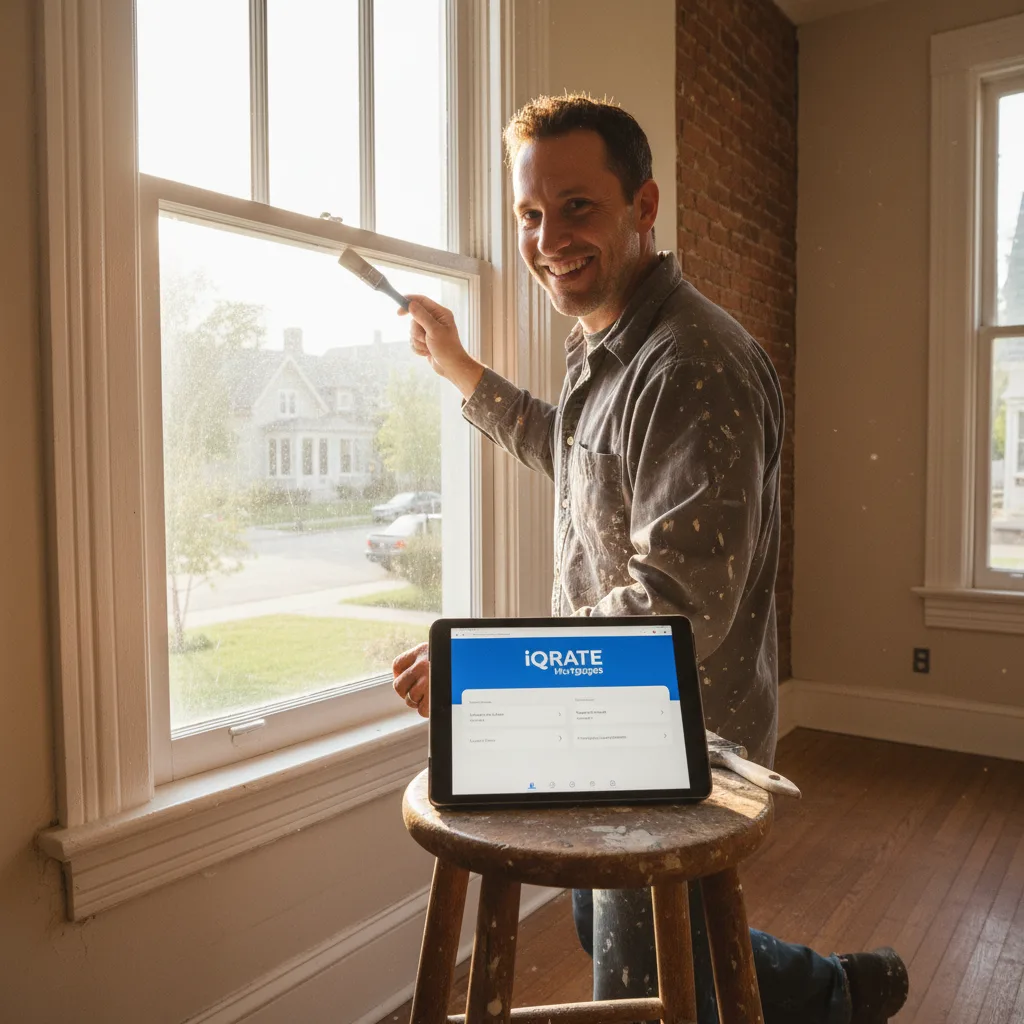
What Are the Most Common FHA-Required Repairs in Older Reno Homes?
Older homes in areas like Reno and Sparks often have character and charm, but they can also come with deferred maintenance that an FHA appraiser will flag. These are not cosmetic issues; they are items that HUD considers essential for a safe living environment.
Here are the most common FHA-mandated repairs for older Nevada properties:
- Peeling or Chipping Paint: In homes built before 1978, this is a major red flag due to the potential presence of lead-based paint. All defective paint surfaces (interior and exterior) must be scraped, sanded, and repainted.
- Roofing Issues: The roof must have at least two years of remaining life.(The data, information, or policy mentioned here may vary over time.) An appraiser will require repairs for missing shingles, visible leaks, or signs of significant deterioration.
- Inadequate or Unsafe Electrical Systems: This includes exposed wiring, frayed wires, a lack of outlets in key areas, or an outdated fuse box. The system must be safe and functional.
- Faulty Plumbing and Water Damage: Active leaks, low water pressure, or evidence of significant water damage (like stained ceilings or warped floors) will require correction.
- Non-Functional HVAC: The home's heating system must be in working order and capable of providing adequate heat for the climate. Central air conditioning is not a requirement, but the primary heat source must be functional.
- Foundation and Structural Defects: Major cracks in the foundation, rotting floor joists, or any issue that compromises the home's structural integrity must be addressed by a professional.
- Safety Hazards: This is a broad category that includes broken windows, missing handrails on stairs, or trip hazards on walkways and stairs.
Does the Seller or the Buyer Have to Pay for These Property Repairs?
This is one of the most common points of confusion and a frequent point of negotiation. There is no FHA rule that dictates who must pay for required repairs. It's a matter to be settled between the buyer and the seller.
Here are the typical scenarios:
- The Seller Pays: In a buyer's market or when the seller is motivated, they may agree to cover the full cost of all required repairs to save the deal. They hire contractors and ensure the work is done to FHA standards before closing.
- The Buyer Pays: If you're in a competitive market like Reno and love the home, you might offer to pay for the repairs yourself. However, this can be risky. You'd be investing money in a property you don't yet own, and the lender must approve this arrangement.
- They Split the Cost: Negotiation often leads to a compromise where the buyer and seller split the repair costs. This could be a 50/50 split or an agreement where the seller covers the most expensive items.
- Seller Credits at Closing: The seller might offer a credit to the buyer at closing to cover the cost of repairs. This can be a simple solution, but the lender must approve it, and some FHA guidelines require the work to be done before closing, making this option less common for mandated repairs.
Can the Cost of the Repairs Be Financed into My Mortgage?
Yes, in some cases, you can finance the cost of repairs, which is a fantastic option if you don't have the cash on hand. The primary way to do this with an FHA loan is through an FHA 203(k) loan, but a less common alternative is an escrow holdback.
Escrow Holdback
An escrow holdback is when the lender sets aside a portion of the loan proceeds in an escrow account to cover the cost of the required repairs. The work is then completed after closing. To do this, you typically need to provide firm bids from licensed contractors detailing the scope and cost of the work. Lenders usually set aside 1.5 times the estimated repair cost to ensure there are sufficient funds.(The data, information, or policy mentioned here may vary over time.)
Example: If an older home in Sparks needs a $4,000 roof repair, the lender might hold back $6,000 in escrow. After you close on the home, your contractor completes the work. Once a final inspection confirms the repair meets FHA standards, the lender pays the contractor from the escrow account and releases any remaining funds to you.
However, not all lenders offer escrow holdbacks, and they are typically reserved for minor, non-structural repairs.

What Happens if the Seller Refuses to Make the Required Fixes in Sparks?
If you're under contract for a home in Sparks and the seller flatly refuses to pay for or negotiate the FHA-required repairs, you have a few options:
- Pay for the Repairs Yourself: As mentioned, you can offer to cover the costs. You'll need lender approval and must be comfortable with the financial risk if the deal falls through for another reason.
- Switch to an FHA 203(k) Loan: If the home is a good fit but needs work, this is often the best solution. This loan type is specifically designed to finance both the purchase and renovation of a property. (More on this below).
- Renegotiate the Purchase Price: You could ask the seller to lower the sale price by the amount of the repair estimate. This doesn't solve the immediate problem of needing cash for the repairs before closing, but it can make paying for them yourself more financially palatable.
- Walk Away from the Deal: Your purchase agreement likely has an appraisal contingency. If the home doesn't meet FHA standards and you can't reach an agreement with the seller, you can legally terminate the contract and get your earnest money deposit back.
How Long Do We Have to Complete the Repairs Before Closing?
The timeline is tight. For a standard FHA loan (non-203k), all appraiser-required repairs must be completed and re-inspected before your loan can receive final approval and close.
The process typically looks like this:
- The appraisal report comes back with a list of required repairs.
- You and the seller negotiate who will pay and manage the work.
- A licensed contractor is hired to complete the repairs.
- Once the work is done, you notify the lender.
- The lender orders a re-inspection (often called a 'Final Inspection' or 'Compliance Inspection').
- The original appraiser or another inspector visits the property to confirm the work was done correctly.
- If the repairs pass, the appraiser signs off, and your loan moves to the closing table.
This process can add a week or more to your closing timeline, depending on contractor availability and the complexity of the repairs.
What Is an FHA 203(k) Loan and Can It Help Me Buy a Fixer-Upper?
An FHA 203(k) loan is the perfect tool for buying a home that needs significant work. Instead of requiring repairs to be done before closing, this loan rolls the cost of renovations into your mortgage. This allows you to purchase a fixer-upper in a desirable area like Carson City and customize it to your liking.
There are two types of FHA 203(k) loans:
- Limited 203(k): Also known as the 'streamline' version, this is for non-structural repairs and improvements up to $35,000.(The data, information, or policy mentioned here may vary over time.) It's ideal for things like replacing a roof, updating a kitchen, replacing windows, or painting.
- Standard 203(k): This is for major renovations, including structural changes like moving walls, adding rooms, or repairing a foundation. It requires a minimum repair cost of $5,000 and the oversight of a HUD-approved 203(k) consultant.(The data, information, or policy mentioned here may vary over time.)
With a 203(k) loan, the loan amount is based on the home's after-repair value (ARV). This means you can buy a home that wouldn't qualify for a standard FHA loan and finance the transformation with a single, low-down-payment mortgage.
Who Inspects the Repairs to Ensure They Meet FHA Standards?
For standard FHA loans, the original appraiser is usually the one who performs the final inspection to certify that the required repairs have been completed satisfactorily. They will revisit the property with the initial report in hand and verify each item has been addressed according to FHA guidelines.
For an FHA 203(k) loan, the process is more involved. A HUD-approved 203(k) consultant will oversee the project. They will inspect the property initially to create a work write-up, and then conduct 'draw inspections' at various stages of the renovation. These inspections ensure the work is being done correctly and on schedule before the lender releases funds (draws) to your contractor. This oversight protects both you and the lender throughout the renovation process. Don't let FHA-required repairs derail your dream of owning a home in Nevada. If an appraisal has flagged issues or you're considering a fixer-upper, understanding your options is the first step. Contact a mortgage expert who specializes in FHA financing to explore solutions like 203(k) loans and craft a plan to get you to the closing table.
Don't let the challenge of FHA-required repairs stop you from buying the Nevada home you want. Our mortgage experts specialize in finding the right financing solutions, including options for homes that need a little work. Ready to see what's possible? Apply now to begin your confidential, no-obligation application.
Author Bio
David Ghazaryan is the expert mortgage strategist and founder behind iQRATE Mortgages. With a mission to fund home loans that traditional banks won't touch, David specializes in helping clients with unique financial situations, including those recovering from foreclosure or bankruptcy. He expertly crafts smart, strategic, and stress-free mortgages by leveraging a vast network of over 100 lenders to secure competitive rates for investors and homebuyers alike. Praised for exceptional customer service, David has helped hundreds of families with a 97% satisfaction rate, guiding them to the mortgage they deserve.
References









