


What a 'Thin Credit File' Means for a Mortgage Application in Bakersfield
It’s a scenario that causes immense frustration for homebuyers in California: you’ve diligently paid your bills, avoided debt, and achieved a credit score over 720, only to be denied a mortgage. The reason is often a 'thin credit file'. This doesn't mean you have bad credit; it means you have little credit history for automated systems to analyze.
An underwriter looking at your application in Bakersfield might see:
- Fewer than three active credit accounts: Maybe you only have one credit card and a small student loan.
- A short credit history: Your oldest account might only be a couple of years old.
- No recent installment loan activity: You haven't had a car loan or personal loan in the past 24 months.
For example, a young professional in Bakersfield might have a 750 FICO score derived from a single credit card they’ve had for three years and paid off monthly. To an automated system, this isn't enough data to predict long-term creditworthiness for a $400,000 home loan. The algorithm sees a lack of demonstrated history with large, long-term debts and flags it as a potential risk, leading to an automated denial.
Why Automated Underwriting Systems Deny Applicants with Good Credit Scores
Lenders rely heavily on Automated Underwriting Systems (AUS) like Fannie Mae’s 'Desktop Underwriter' (DU) and Freddie Mac’s 'Loan Product Advisor' (LPA). These powerful platforms analyze your financial data—income, assets, debts, and credit history—against a massive set of rules to deliver an approval or denial decision in minutes.
However, these systems are rigid. They are programmed to look for specific patterns, and a thin file is a significant red flag. An AUS can’t apply nuance or human judgment. It cannot see that you’ve paid your rent on time for five years or that you have a stable job with consistent raises. It only sees the limited data reported to the major credit bureaus: Equifax, Experian, and TransUnion.
For an AUS, a thin file represents an unknown variable. The system’s logic dictates that an applicant with a 680 credit score but five diverse credit lines and a ten-year history is a more predictable, and therefore safer, bet than an applicant with a 750 score and only one account. This is why so many responsible borrowers in Fresno and Bakersfield with pristine payment habits but limited credit diversity receive that shocking 'denied' notification.

How Manual Underwriting Helps People with Limited Credit History Get a Loan
Manual underwriting is the solution to an automated denial. Instead of a computer algorithm making the decision, a human underwriter personally reviews your entire loan file. This process allows for context, common sense, and a holistic assessment of your financial stability. It’s your opportunity to prove you are a reliable borrower, even if your credit report doesn't tell the whole story.
A human underwriter can:
- Analyze Compensating Factors: These are strengths in your application that offset the weakness of a thin file. Strong compensating factors include a large down payment (e.g., 20% or more), significant cash reserves left over after closing, a very low debt-to-income (DTI) ratio, and a long, stable employment history.
- Consider Non-Traditional Credit: The underwriter can review and verify a history of consistent payments for expenses not typically reported to credit bureaus. This is a game-changer for applicants with thin files.
- Understand Your Story: A letter of explanation can detail why your credit file is thin. Perhaps you prefer to pay with cash, or you’ve only recently started building credit. A human can understand these circumstances in a way an algorithm cannot.
Essentially, manual underwriting replaces rigid algorithms with professional judgment. It’s designed for borrowers whose financial strength isn't fully captured by a standard credit report.
What Documents Are Needed to Build a Case for Manual Mortgage Approval in Fresno
To succeed with manual underwriting, you need to provide a comprehensive file that paints a clear picture of your financial responsibility. For a home purchase in Fresno, your loan officer will help you assemble a robust package. Beyond the standard pay stubs, W-2s, and bank statements, you will need documentation for non-traditional credit and compensating factors.
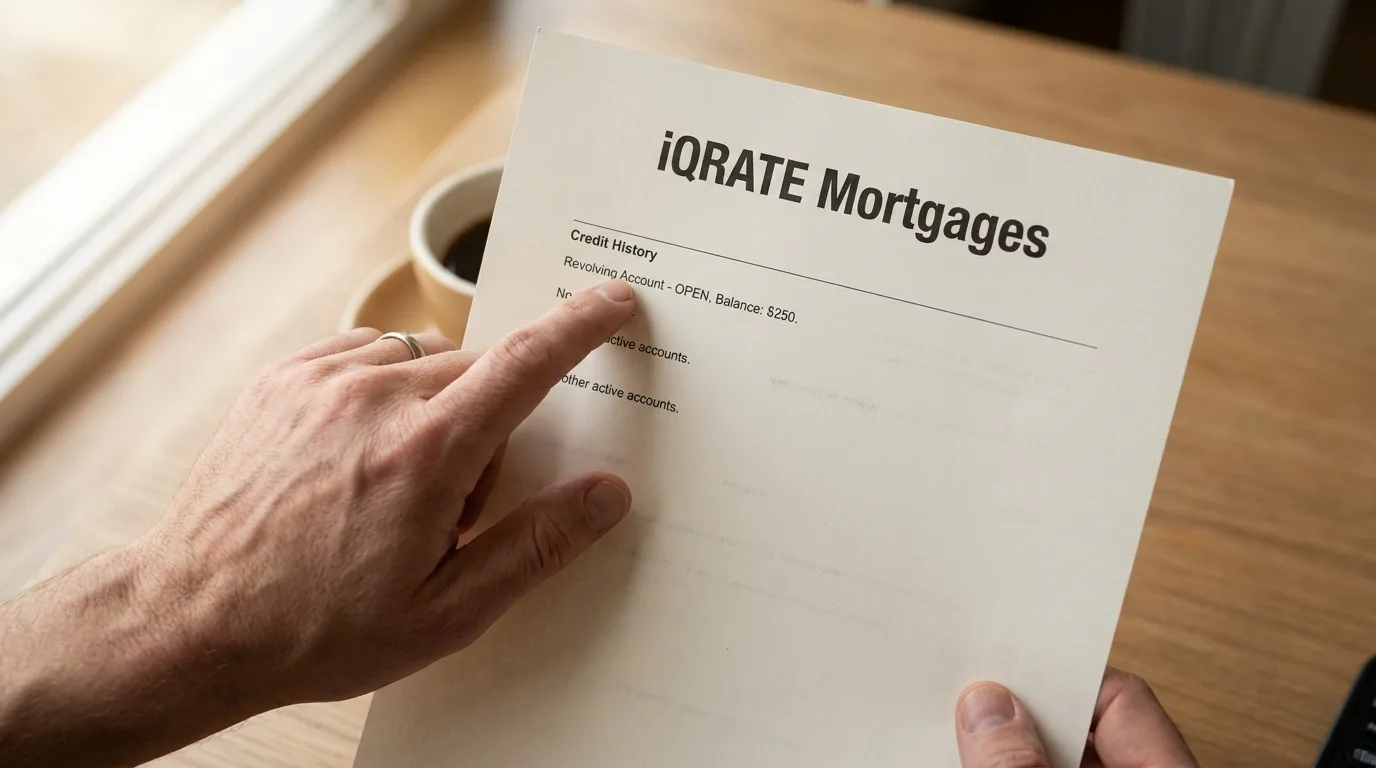
Your document checklist should include:
- Proof of Rental History: 12-24 months of canceled checks or bank statements showing on-time rent payments to a landlord. This is the most powerful piece of non-traditional credit.
- Utility Payment Records: 12 months of consecutive, on-time payments for utilities like electricity, gas, water, and internet. Provide copies of the bills showing a zero balance due.
- Insurance Premium Payments: Evidence of consistent, on-time payments for car insurance or renter’s insurance over the last 12 months.
- Letter of Explanation (LOX): A brief, clear letter explaining why your credit file is limited. Be factual and concise.
- Verification of Assets: Documentation for any significant cash reserves, retirement accounts, or other investments that demonstrate financial stability.
- Proof of Stable Employment: While pay stubs are standard, you might also include a letter from your employer confirming your position, tenure, and likelihood of continued employment.
Can Rent Payment History Be Used to Strengthen My Home Loan Application?
Absolutely. For manual underwriting, a verified history of on-time rent payments is golden. It is the single most effective piece of non-traditional credit because it directly demonstrates your ability to make a recurring, significant housing payment. Lenders view a renter who has reliably paid $2,000 a month on time for two years as a very strong candidate to handle a similar mortgage payment.
To be accepted, the payments must be verifiable. The best evidence is canceled checks (front and back) or bank statements showing automatic withdrawals to a property management company or individual landlord. A letter from your landlord confirming your payment history is also helpful, but the hard proof from bank records is what underwriters value most.
What Types of Home Loans for First Time Buyers Allow for Manual Underwriting?
Government-backed loans are the most common and flexible options for borrowers requiring manual underwriting. They are specifically designed to expand access to homeownership for those who might not fit the strict criteria of conventional loans.
- FHA Loans: Insured by the Federal Housing Administration, FHA loans are the go-to option for manual underwriting. They have lenient guidelines regarding credit history and allow for non-traditional credit verification. This makes them ideal for first-time buyers with thin files.
- VA Loans: Guaranteed by the Department of Veterans Affairs, VA loans are available to eligible veterans, active-duty service members, and surviving spouses. VA guidelines are very flexible and prioritize a veteran's overall financial picture over a simple credit score.
- USDA Loans: Backed by the U.S. Department of Agriculture, USDA loans are for homebuyers in eligible rural and suburban areas. They also have flexible guidelines that permit manual underwriting for applicants with thin but clean credit histories.
Conventional loans backed by Fannie Mae and Freddie Mac can sometimes be manually underwritten, but the requirements are typically much stricter than for government-backed loans.
How Long Does the Manual Underwriting Process Typically Take?
One of the most important things to understand about manual underwriting is that it takes more time. An automated decision can come back in minutes, while a manual review is a meticulous, hands-on process. You should set realistic expectations for your closing timeline.
While a standard purchase with an AUS approval might close in 30 days, a loan requiring manual underwriting will likely take 45 to 60 days. (The data, information, or policy mentioned here may vary over time.) This extended timeline is because:
- Document Collection: Gathering all the necessary non-traditional credit documentation takes time.
- Underwriter Review: The underwriter must carefully review every document, verify payment histories, and build a case for approval.
- Potential for Follow-up: The underwriter may have additional questions or request more documentation, adding days to the process.
It is crucial to be responsive and organized. The faster you can provide any requested documents to your loan officer, the smoother the process will be.
What Steps Can I Take Today to Fatten My Credit File for a Future Mortgage?
If you're not ready to buy immediately or want to avoid the need for manual underwriting in the future, you can take proactive steps to build, or 'fatten', your credit file.
- Become an Authorized User: Ask a family member with a long and positive credit history to add you as an authorized user on one of their credit cards. Their entire payment history for that account will often be reported to your credit file, instantly adding depth and age.
- Open a Secured Credit Card: A secured card requires a cash deposit that becomes your credit limit. It's an excellent tool for building a positive payment history because approvals are almost guaranteed. Use it for small purchases and pay the balance in full each month.
- Get a Credit-Builder Loan: Offered by many credit unions, these loans place the borrowed amount into a savings account. You make small monthly payments, and once the loan is paid off, the funds are released to you. Your consistent payments are reported to the credit bureaus.
- Don't Close Old Accounts: The age of your credit accounts is a key factor in your score. Keep your oldest credit card open, even if you don't use it often, to preserve your credit history length.
Don't let a thin credit file stop your homeownership journey. Your financial story is more than a credit score. If you're ready to see how a personalized, manual underwriting approach can make the difference, Apply now to get the review you deserve.
Author Bio
David Ghazaryan is the expert mortgage strategist and founder behind iQRATE Mortgages. With a mission to fund home loans that traditional banks won't touch, David specializes in helping clients with unique financial situations, including those recovering from foreclosure or bankruptcy. He expertly crafts smart, strategic, and stress-free mortgages by leveraging a vast network of over 100 lenders to secure competitive rates for investors and homebuyers alike. Praised for exceptional customer service, David has helped hundreds of families with a 97% satisfaction rate, guiding them to the mortgage they deserve.
References
Fannie Mae - Considering Positive Rent Payment History in Credit Assessment
Consumer Financial Protection Bureau (CFPB) - What is a thin or stale credit file?









