

Why is getting a mortgage for a historic home in Tampa more complex?
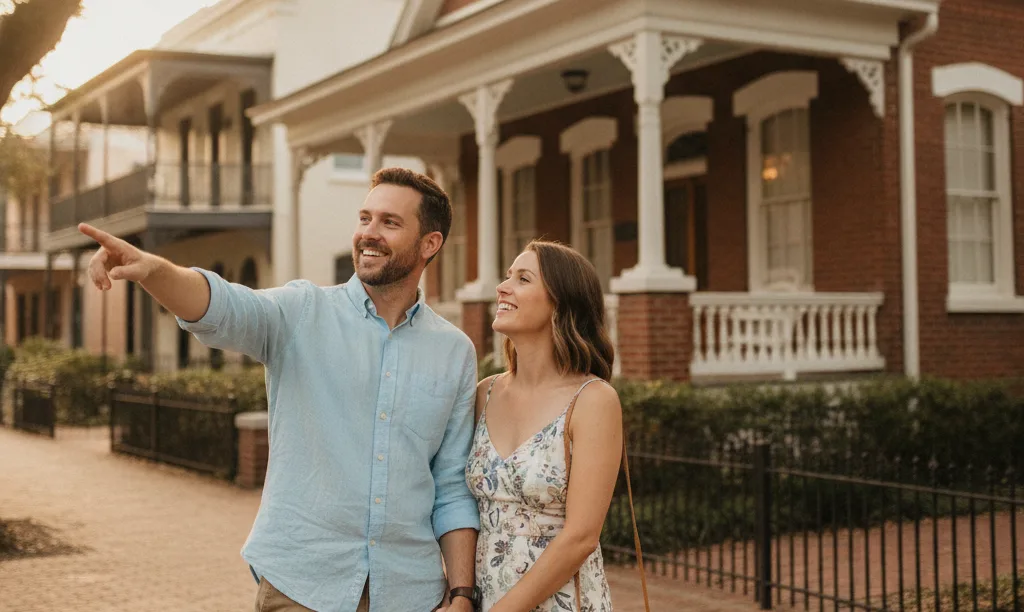
Securing a mortgage for a property in a designated historic district like Ybor City or Seminole Heights presents hurdles that don't exist with standard home purchases. Lenders view these properties with increased caution due to several risk factors. First, the potential for deferred maintenance is high. Older homes can have outdated electrical, plumbing, and structural systems that a traditional inspection might flag as significant liabilities.
Second, these homes are governed by strict local preservation ordinances. Any renovations, from replacing windows to choosing exterior paint colors, must be approved by a local historic preservation commission. This restricts the homeowner's ability to make changes and can significantly increase repair costs, which makes lenders nervous. Finally, homeowner's insurance is often more expensive and harder to obtain, adding another layer of financial risk that underwriters must consider before approving a loan.
How Appraisers Value Homes with Historic Designations in Tampa
Appraising a historic home is not a straightforward process. A standard appraisal relies heavily on 'comparable sales' or 'comps'—recent sales of similar nearby properties. For a historic home in Seminole Heights, an appraiser can't simply compare it to a new construction home down the street. They must find comps with similar age, architectural style, and condition, preferably within the same historic district.
When good comps are scarce, appraisers may use other methods:
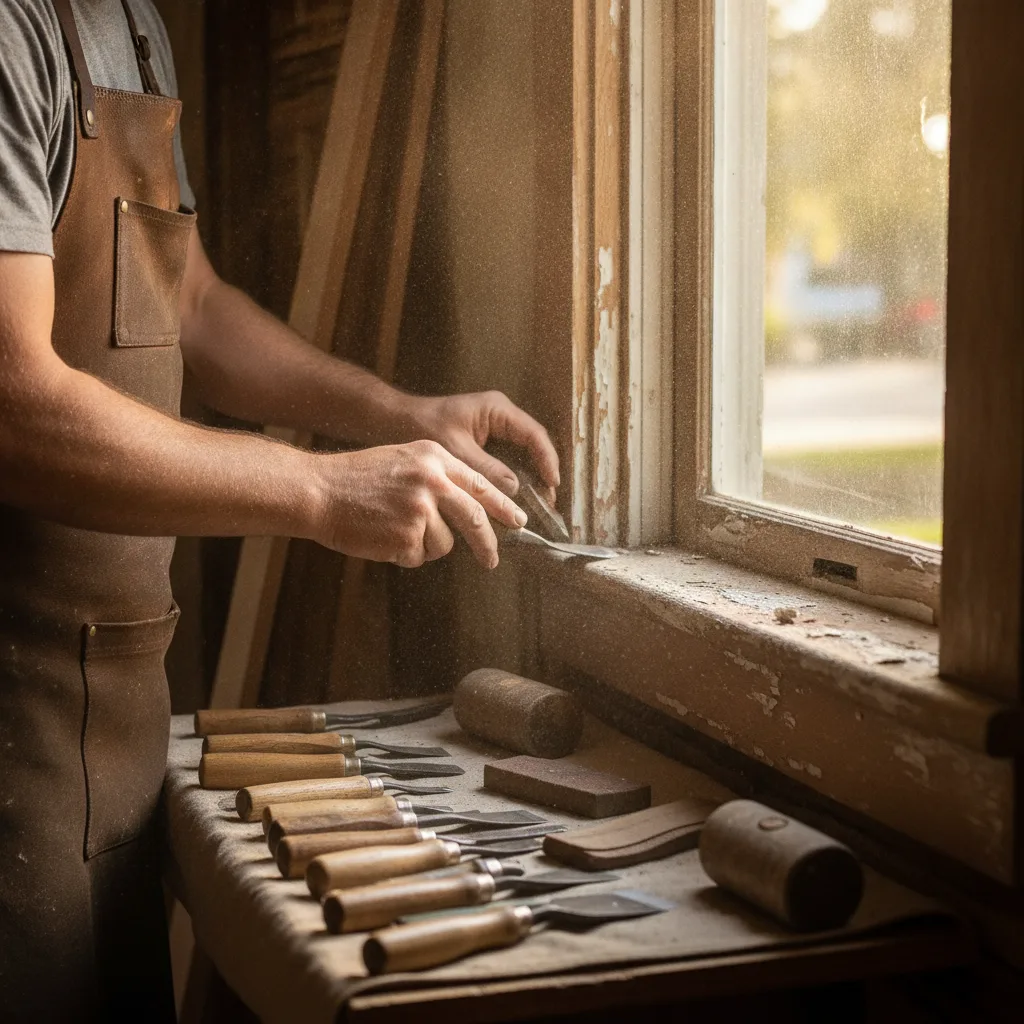
- The Cost Approach: This method calculates the value based on the cost to replace the structure, minus depreciation, plus the value of the land. For historic homes, the cost of replicating original materials and craftsmanship (like custom millwork or original heart pine floors) can be exceptionally high, sometimes leading to an appraisal value that doesn't align with the market.
- Contributory Value: Appraisers must also assess the 'contributory value' of the historic features themselves. A well-preserved home might command a premium, but one with unapproved alterations could see its value diminished. The appraiser’s final report must justify the property's unique value, which requires specialized knowledge that not all appraisers possess.
Navigating Homeowner's Insurance for Historic Properties
Insuring a historic home is a critical step that directly impacts your mortgage approval. Standard homeowner's insurance policies are often inadequate because they are based on 'actual cash value' (replacement cost minus depreciation) or standard 'replacement cost'. Given the age of historic homes, 'actual cash value' would provide a payout far too low to cover a significant loss.
For a historic property, you need a policy that offers guaranteed or extended replacement cost coverage. This ensures you have enough funds to rebuild the home with historically accurate materials and craftsmanship. For example, replacing custom-milled woodwork in an Ybor City bungalow is far more expensive than using standard lumber from a big-box store. Insurers who specialize in historic homes understand this and offer policies tailored to these needs, though premiums are typically 20-25% higher than for a standard home of similar size. (The data, information, or policy mentioned here may vary over time.)
Do You Need a Larger Down Payment for a Historic Property Loan?
While there's no universal rule requiring a larger down payment for a historic home, lenders may strongly encourage or require one to mitigate their risk. A down payment of 20% or more reduces the loan-to-value (LTV) ratio, providing the lender with a larger equity cushion from the start. This is particularly important if the appraisal comes in lower than the purchase price, as the buyer will need to cover that gap with cash.
For example, if you agree to buy a historic home for $500,000 but it only appraises for $480,000, the lender will base the loan on the lower value. A larger down payment provides the flexibility to cover this $20,000 difference and still meet the lender's LTV requirements. It demonstrates your financial stability and commitment to maintaining a property that comes with potentially higher upkeep costs.
Using an FHA 203k Loan for Renovations on a Historic Home
The FHA 203k loan is an excellent tool for buying a historic home that needs work. This government-insured loan allows you to roll the costs of both the purchase and the necessary renovations into a single mortgage. This means you can finance major updates like a new roof, updated electrical systems, or structural repairs without needing a separate construction loan.

However, there's a critical catch when using a 203k loan for a historic property: all renovation work must comply with the local historic preservation guidelines.
The Process Involves:
- Hiring a Qualified Contractor: You must work with a contractor experienced in historic restoration who can provide a detailed bid outlining the scope and cost of the work.
- Plan Approval: Your renovation plans must be submitted to and approved by the local historic commission before the lender will finalize the loan.
- HUD Consultant: For a full 203k loan, a HUD-approved consultant will oversee the project, inspect the work, and approve the release of funds to the contractor as milestones are met.
Essential Questions to Ask About Local Historic Preservation Rules
Before you even make an offer, you must become an expert on the local rules. Contact the City of Tampa's Historic Preservation Commission and get clear answers to the following questions:
- What specific design guidelines apply to this property's exterior (e.g., paint colors, window and door styles, roofing materials, porch details)?
- What is the formal review process for renovation or repair plans, and what is the typical timeline for approval?
- Are there lists of pre-approved materials or recommended contractors who specialize in historic preservation in the area?
- Can I see examples of previously approved and denied projects in the neighborhood?
- What are the exact penalties or consequences for completing work without the proper approvals?
Uncovering Grants and Tax Credits for Tampa's Historic Homes
Owning a historic home can come with financial perks designed to encourage preservation. While some programs are aimed at commercial properties, homeowners have options too. The Florida Division of Historical Resources and local preservation groups are the best sources for current information. Look for:
- Ad Valorem Tax Exemptions: Some municipalities, including Tampa, may offer property tax exemptions for qualifying historic properties. This can offset some of the higher maintenance and insurance costs.
- State and Local Grants: Occasionally, grants become available for specific restoration projects, such as restoring a home's original facade.
- Federal Historic Preservation Tax Credits: While the well-known 20% federal tax credit is for income-producing properties, being aware of it is useful as it demonstrates the national value placed on preservation.
Finding a Lender Experienced with Historic Properties in Tampa
Partnering with the right lender is arguably the most important step. Many loan officers are unfamiliar with the nuances of historic properties and may deny a loan out of caution or inexperience. You need a lender or mortgage broker who understands the unique appraisal process, the requirements of a 203k loan, and the importance of coordinating with local preservation authorities.
When vetting lenders, ask them directly:
- 'How many loans have you closed for homes in designated historic districts in Tampa?'
- 'Are you familiar with the specific requirements for properties in Ybor City or Seminole Heights?'
- 'What is your process for handling an appraisal that requires the cost approach or historic comps?'
A mortgage broker can be an invaluable asset, as they often have relationships with a wide network of niche lenders, including those who actively seek out and understand how to finance historic homes. Navigating the mortgage process for a historic Tampa home requires a specialized approach. If you're ready to explore your financing options, working with a mortgage expert who understands these unique properties can streamline your path to ownership and help you secure the keys to a piece of history.
Ready to own a piece of Tampa's history? The mortgage process for historic homes has its quirks, but the right guidance makes all the difference. Apply for a Mortgage today to connect with experts who can help you navigate the financing for your dream historic property.
Author Bio
David Ghazaryan is the expert mortgage strategist and founder behind iQRATE Mortgages. With a mission to fund home loans that traditional banks won't touch, David specializes in helping clients with unique financial situations, including those recovering from foreclosure or bankruptcy. He expertly crafts smart, strategic, and stress-free mortgages by leveraging a vast network of over 100 lenders to secure competitive rates for investors and homebuyers alike. Praised for exceptional customer service, David has helped hundreds of families with a 97% satisfaction rate, guiding them to the mortgage they deserve.
References









