


Do I Need to Be in the United States to Close My Miami Home Loan?
Unequivocally, the answer is no. You do not need to be physically present in Florida to finalize the purchase of your property. The Florida legal system and real estate industry are well-equipped to handle remote closings for international buyers, a testament to the state's popularity as a global investment hub. Whether you're acquiring a luxury condominium in Miami, an investment property in Tampa, or a vacation home near the theme parks of Orlando, the mechanisms exist to facilitate a secure and legally binding closing from your home country.
This is accomplished primarily through two powerful legal and technological tools: a Power of Attorney (POA) and Remote Online Notarization (RON). These instruments are designed to bridge geographical distances, allowing you to execute critical legal documents without ever stepping foot in a U.S. embassy or the closing agent's office. However, successfully using these tools requires careful planning, adherence to specific legal protocols, and coordination with a lender and title company that are experienced in foreign national transactions. Simply put, while you don't need to be here, your professional team absolutely needs to be adept at managing your absence.
What Is a Power of Attorney and How Do I Use It for a Mortgage?
A Power of Attorney is one of the most common and reliable methods for closing a real estate transaction from abroad. It is a foundational tool in international real estate investment.
Defining a Power of Attorney (POA)
A Power of Attorney is a formal legal document that grants a designated person or entity, known as your 'agent' or 'attorney-in-fact', the authority to act on your behalf in specific matters. The person granting this authority is called the 'principal'. For a real estate transaction, you would use a Specific Power of Attorney. Unlike a General POA, which grants broad powers, a Specific POA is narrowly tailored to a single purpose. It explicitly details the actions your agent is permitted to take, such as signing documents related to the purchase of a particular property at a specific address. This limitation is a crucial safeguard, ensuring your agent cannot act outside the defined scope of the real estate closing.
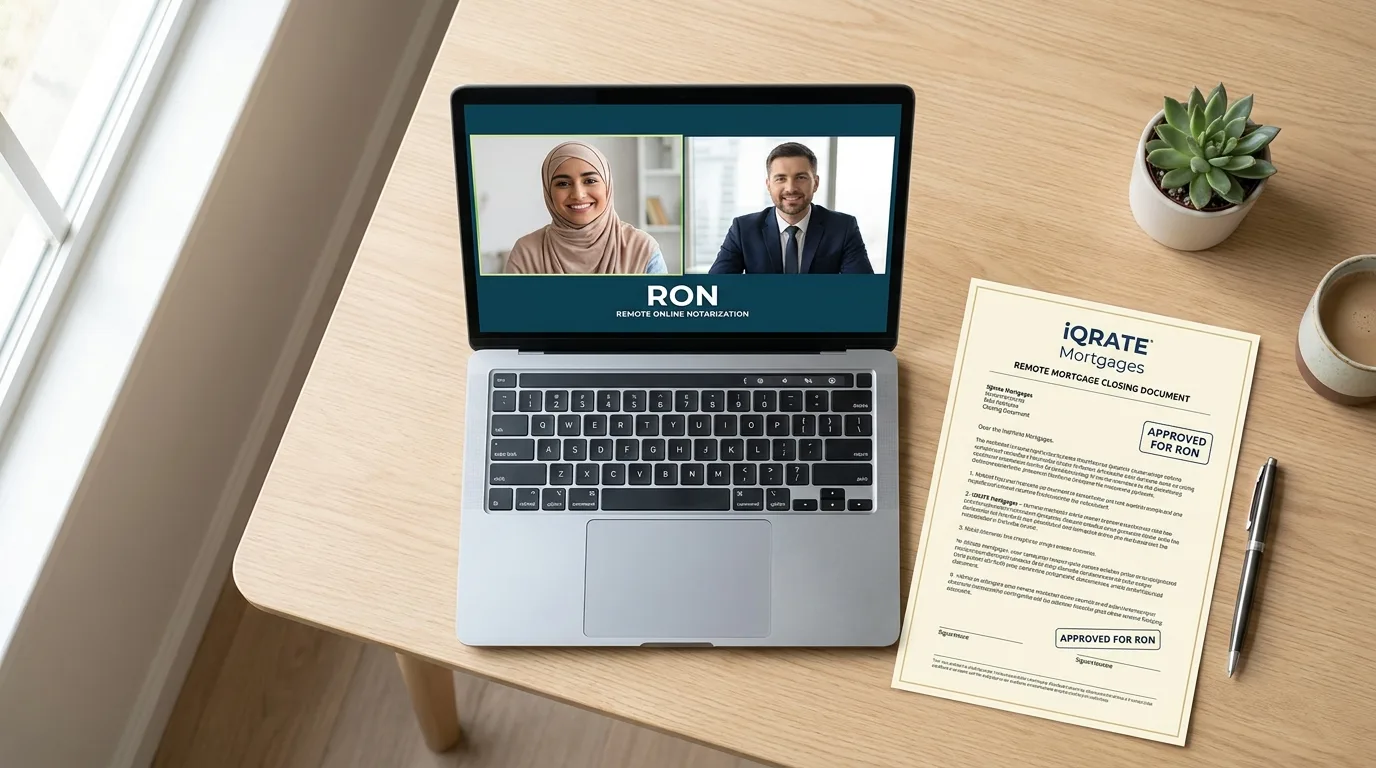
Using a POA for a Tampa Real Estate Closing
Imagine you are purchasing a $650,000 waterfront property in Tampa while residing in another country. Here is the step-by-step process for using a POA:
- Appoint a Trusted Agent: You must select a trustworthy individual in Florida to act as your agent. In nearly all cases, this should be your real estate attorney, not a friend or family member. An attorney is bound by professional ethics and fully understands the legal gravity of the closing documents.
- Drafting the Document: Your Florida real estate attorney will draft the Specific POA. It must precisely identify the property and list the exact documents your agent is authorized to sign, including the mortgage note, the deed, and other closing disclosures.
- Lender and Title Company Approval: Before it's signed, the draft POA must be sent to your mortgage lender and the title company for review and approval. They have specific requirements and wording they need to see to accept the document as valid for the transaction.
- Proper Execution and Notarization: Once approved, you must sign the POA in your home country in the presence of a notary public. The requirements for international notarization can be complex. The document often needs an apostille, which is an official certificate from a designated government authority that authenticates the seal and signature of the notary. This process validates the document for use in the United States under the Hague Convention. (The data, information, or policy mentioned here may vary over time.)
- Closing Day: With the executed and apostilled POA in hand, your attorney can attend the closing in Tampa, sign all necessary paperwork on your behalf, and finalize the purchase.
Can I Sign My Closing Documents Electronically From My Country?
Yes, but it's important to understand the distinction between different types of electronic signatures. Many of the initial disclosures and non-critical documents in the mortgage process can be signed using a simple electronic signature platform like DocuSign. However, the most important documents that transfer title and create the loan obligation, such as the Deed and the Mortgage Note, require a verified signature in the presence of a notary. A simple e-signature is not legally sufficient for these. This is where the technology of Remote Online Notarization becomes essential, serving as the digital equivalent of an in-person notarization.
What Is Remote Online Notarization and Is It Allowed for My Loan?
Florida is a pioneering state for Remote Online Notarization (RON), having enacted laws that make it a secure and viable option for real estate closings. It allows you to have your signature notarized without being in the same room as the notary.
How RON Works for International Buyers
RON is a sophisticated process that uses live, two-way audio-visual technology to conduct a notarial act. The entire session is recorded and securely stored. Here's how it typically works for a buyer in another country purchasing a home in Orlando:
- Identity Verification: Before the session, you must pass a multi-step identity verification process. This often includes answering knowledge-based authentication (KBA) questions based on your personal history and using technology to scan and validate your government-issued ID, like a foreign passport.
- Live Video Session: You connect with a specially commissioned Florida online notary via a secure platform. You must be able to see and hear each other clearly in real time.
- Document Signing: The closing documents are displayed on the screen. You electronically sign them, and the notary then affixes their digital notarial seal and electronic signature to the documents.
Lender and Title Company Approval in Florida
The single most critical factor for using RON is getting approval from all key parties. While RON is legal in Florida, not every mortgage lender or title company has adopted the technology or has policies that permit its use for foreign national borrowers. Lenders who specialize in foreign national loans are far more likely to be equipped for and approve RON closings. Before you assume RON is an option, you must get explicit confirmation from your mortgage broker that the lender and title insurer for your Miami or Orlando purchase will accept it. Without their pre-approval, you will have to default to using a Power of Attorney. (The data, information, or policy mentioned here may vary over time.)
How Do I Securely Wire My Down Payment From a Foreign Bank?
Transferring a large sum of money across international borders for your down payment and closing costs is a high-stakes step that requires extreme diligence to prevent fraud and delays.
Step-by-Step International Wire Transfer Guide
- Verbally Verify All Instructions: Wire fraud is rampant. You will receive wiring instructions from the title company or closing attorney. Never trust instructions sent via email. You must call the title company using a known, independently verified phone number (from their website, not the email signature) to confirm the account number, routing number, and bank name before initiating the transfer.
- Anticipate Currency Exchange Fluctuations: The exchange rate between your home currency and the U.S. dollar changes daily. To ensure the correct amount lands in the escrow account, it's wise to send slightly more than required to cover any negative shifts that could occur while the wire is in transit.
- Account for All Bank Fees: International wire transfers involve multiple banks, and each may charge a fee. This includes your bank, any intermediary banks, and the final receiving bank in the U.S. Factor these fees into the total amount you send.
- Timing is Everything: An international wire does not happen instantly. It can take anywhere from three to five business days, or even longer, to be fully processed and credited. You must initiate the transfer at least one week before your scheduled closing date to avoid a funding delay that could jeopardize the transaction. (The data, information, or policy mentioned here may vary over time.)
For example, if you're purchasing a $1.2 million property in Miami with a 40% down payment ($480,000), you should plan to wire at least $483,000 to cover potential currency shifts and fees. Initiating this transfer 7-10 days before closing is a safe buffer.
What Professionals Do I Need on My Team for a Remote Closing?
Executing a successful remote closing hinges entirely on the expertise of your professional team. Attempting this with inexperienced parties is a recipe for costly delays and complications.
- Mortgage Broker Specializing in Foreign National Loans: This is your most important partner. A specialist broker has established relationships with lenders whose underwriting guidelines are designed for international buyers. They know which lenders accept RON or have streamlined processes for POA reviews. (The data, information, or policy mentioned here may vary over time.)
- Real Estate Attorney: An attorney is non-negotiable for a remote closing. They will draft and review the POA, liaise with the title company, and provide legal oversight to protect your interests throughout the process.
- Title Company or Closing Agent: You need a title company that has extensive experience with foreign buyers. They must understand the nuances of international document verification and be technologically equipped to handle a RON closing if that is the chosen path.
- Certified Public Accountant (CPA): A CPA with expertise in international taxation is crucial for advising you on U.S. tax obligations, most notably the Foreign Investment in Real Property Tax Act (FIRPTA), which can impact how you handle the property upon sale.
What Are the Most Common Delays for Foreign National Closings?
Being aware of potential roadblocks allows you to plan ahead and mitigate them.
- Document Authentication Delays: The process of getting a Power of Attorney properly notarized and then apostilled in your home country can be bureaucratic and time-consuming. Start this process the moment the POA draft is approved.
- Source of Funds Verification: U.S. anti-money laundering regulations require lenders to meticulously document the origin of your down payment. This means providing months of bank statements and a clear paper trail for any large deposits. Gathering and translating these documents can take weeks.
- Wire Transfer Complications: A simple typo in the account number, an intermediary bank placing a hold for compliance checks, or underestimating the transfer time can halt a closing right at the finish line.
- Lender Inexperience: Working with a standard retail bank or lender that rarely handles foreign national files is a primary cause of delays. Their underwriters are often unfamiliar with international credit or income documentation, leading to confusion and last-minute denials.
- Time Zone and Communication Gaps: Coordinating multiple parties across vastly different time zones requires proactive and clear communication. A single missed email or delayed response can disrupt the timeline. Navigating a remote closing from abroad requires expert guidance. If you're planning to invest in Florida real estate, connect with a mortgage strategist who specializes in foreign national loans to build a clear and efficient roadmap for your purchase.
Your Florida property investment is within reach, no matter where you are in the world. Our team has the expertise to navigate the complexities of foreign national loans. When you're ready to start your journey, apply now for a clear and efficient roadmap to your purchase.
Author Bio
David Ghazaryan is the expert mortgage strategist and founder behind iQRATE Mortgages. With a mission to fund home loans that traditional banks won't touch, David specializes in helping clients with unique financial situations, including those recovering from foreclosure or bankruptcy. He expertly crafts smart, strategic, and stress-free mortgages by leveraging a vast network of over 100 lenders to secure competitive rates for investors and homebuyers alike. Praised for exceptional customer service, David has helped hundreds of families with a 97% satisfaction rate, guiding them to the mortgage they deserve.
References
Florida Department of State - Remote Online Notarizer Information









